
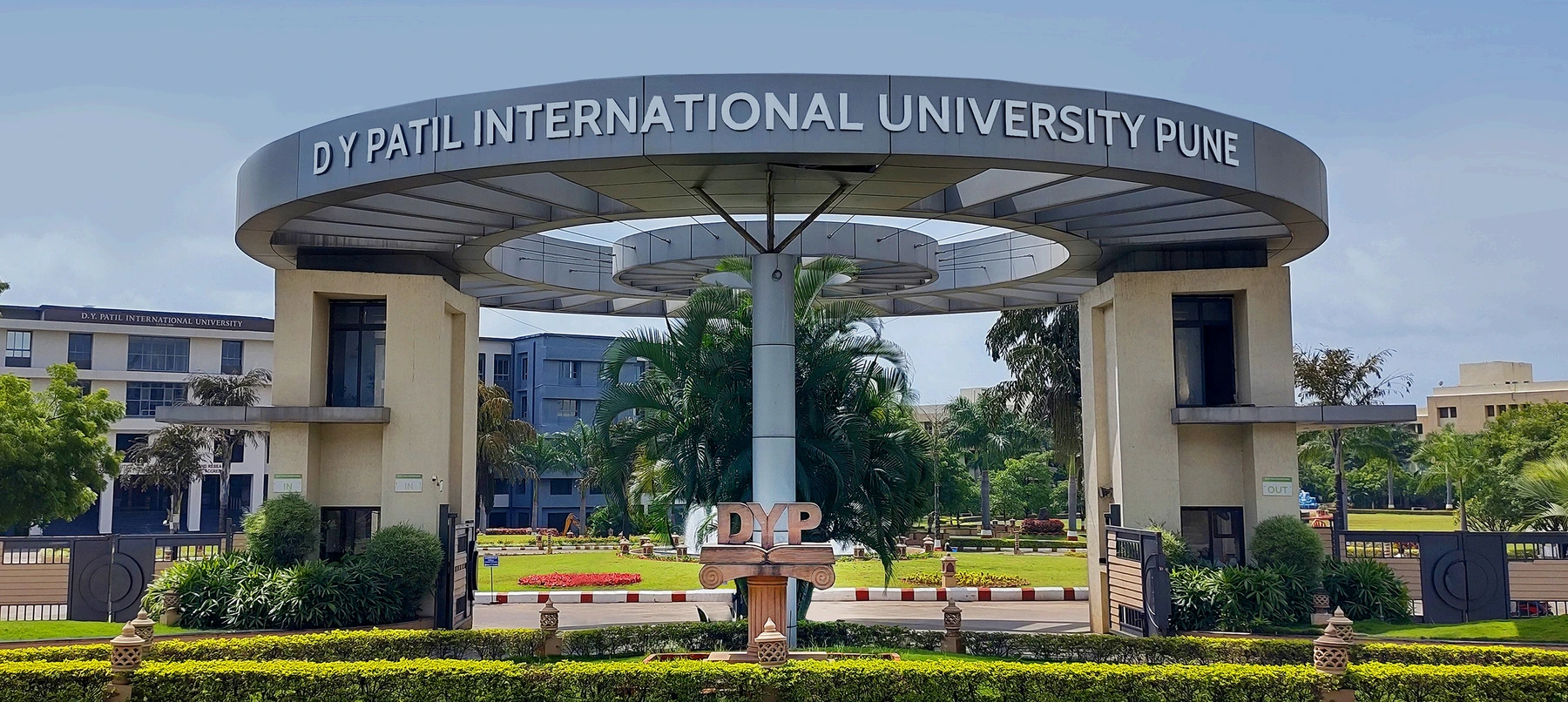
DY Patil International has University (DYPIU) has established a Centre for Interdisciplinary Studies and Research (CISR) with an intent to focus on research. The Centre will serve as a hub for cross-disciplinary and collaborative research activities, addressing complex global and societal challenges that can be solved through integrative approaches. CISR will serve as a catalyst for knowledge integration, innovation, and societal transformation. The centre will encourage collaboration across various schools that would help in integrating Sciences with humanities/Social Sciences , design, economics etc. The Centre for Interdisciplinary Research & Innovations will have all the necessary basic infrastructure in place to help talented young scientists carry out research in diverse areas of Science.

Integration of diverse disciplines, enabling innovative research, holistic solution for impactful socioeconomic output.


The center will initiate and support research projects focused on the following few initial thematic areas:
Initiate research in theme based focussed areas both basic and applied
Plans to host regular events in various fields to
discuss emerging topics and share research
findings.
Demonstration or awareness workshops
for large scale social implementation
Provide small-scale funding to faculty and student groups for pilot interdisciplinary projects under various schemes of the Research policy of the University
Funding from other Govt/non govt agencies support research.
Forge collaborations with external organizations, Start-Ups, Industry and government agencies to ensure research is relevant and impactful
Director-
Research advisory Board
Clusters for
different Projects
STEM and Social Science
Faculty
The establishment of the CISR is expected to lead to:
The CISR represents a strategic investment in the future of DYPIU, positioning the university at the forefront of interdisciplinary education and research.
Central facility housing common Instruments and equipment available to all faculty
The centre has been established to give full thrust to
research activities at DYPIU. The centre will establish a
central facility to cater to various disciplines and provide
support for the tasks to be done. The focus area to begin
with are Computational Drug design, Medicinal Chemistry,
Synthetic Chemistry, Quantum materials, Quantum
Computations, Physics, Mathematics and many more to come.
Think out of box, generate ideas and join us at the centre to give wings to your ideas. Bring Brilliant ideas- We support.
Coming Soon ...






At DYPIU, we are addressing the real-world challenges related to Science and Technology, Healthcare, Mathematics, Management, Industry and Manufacturing, and Entrepreneurship. We aim to produce meaningful outcomes while we solve the problems of today and improve anticipating the future. Our research interests are driven by the real-life problems that one faces in everyday life and their solutions across disciplines to create new ideas. We push for collaborative research among various faculty members. Through the combined strength of our schools and their faculties, we aim to push boundaries and aid in accelerating the transition to society and the world into the future.

Our research group actively works at the interface of chemistry, biology, and medicine to develop innovative therapeutic solutions for major human diseases. We focus on the rational design and synthesis of diverse bioactive molecules by combining modern organic synthesis, chemical biology, and computational approaches.
The group is engaged in the synthesis and development of small molecules, heterocycles, and hybrid scaffolds with promising biological activity against metabolic disorders, cancer, infectious diseases, and inflammatory conditions. We also work on the discovery of enzyme inhibitors, receptor modulators, and multifunctional therapeutics aimed at improving potency, selectivity, and safety.
Our research group is committed to translating fundamental chemical research into clinically relevant therapeutics. We aim to develop efficient synthetic methodologies, discover novel bioactive compounds, and contribute to personalized medicine. We welcome motivated students and researchers who are interested in interdisciplinary drug discovery and translational research that can make a meaningful impact on healthcare.


The research investigates the complex interactions between the Indian Summer Monsoon system, ongoing climate change, and ocean–atmosphere dynamics using advanced mathematical and dynamical oceanographic modeling frameworks.
The Indian monsoon is one of the most powerful seasonal climate systems on Earth, strongly influenced by Sea Surface Temperature (SST) variability in the Indian Ocean; air-sea heat and moisture flux exchanges, Ocean circulation patterns, Large-scale climate modes such as El Niño–Southern Oscillation (ENSO) and Indian Ocean Dipole. On the other side Climate change is altering Ocean stratification, Upper-ocean heat content, Monsoon rainfall variability, Frequency of extreme rainfall events Understanding these linkages requires a dynamical systems approach rather than purely statistical analysis. This research approach and applies partial differential equations governing ocean circulation (Navier–Stokes framework), Coupled ocean–atmosphere dynamical models, Numerical simulations of heat transport and salinity distribution that helps to Quantify feedback mechanisms, identify tipping thresholds, Improve seasonal-to-decadal monsoon predictability. The Dynamical Oceanography Component provides insights about Monsoon-driven currents (e.g., Somali Current system), Upwelling processes in the Arabian Sea Thermocline variability, Heat redistribution in the upper Indian Ocean and about ocean dynamics act as both driver and memory system for monsoon variability. In the overall frame of dimension this research explores how climate change alters Indian monsoon variability through ocean dynamical processes, using mathematical modeling to improve prediction and understand nonlinear climate feedbacks that are directly linked to the human and society daily life and are the key component to make policies by Government and Private organization.
Team - Dr. Anurag KumarCosmology, the study of the universe on a grand scale, has recently ventured into the intriguing realm of dark energy. To understand its origin, nature, and impact on the cosmic fabric, researchers employ space telescopes, particle detectors, and advanced computational simulations. Through meticulous observations and sophisticated theoretical frameworks, scientists aim to unlock the secrets governing the universe’s expansion and its ultimate fate.
This field also involves analysing vast datasets, strengthening expertise in data science, AI, and machine learning. Researchers work across academia, government agencies, and private industries, pushing the boundaries of fundamental physics and cosmological modelling.
Exploring Tsallis dark energy models within general relativity offers novel insights into cosmic acceleration. Rooted in non-extensive statistical mechanics, these models provide alternative explanations for dark energy dynamics without fine-tuning. Validating predictions against observational data may help resolve the cosmological constant problem and refine existing cosmological models.
Advancements in this area could lead to:
• Enhanced dark energy constraints through
high-precision observations.
• Improved cosmological simulations integrating
non-extensive mechanics.
• New insights into the interplay between gravity,
thermodynamics, and statistical mechanics.
By leveraging machine learning and advanced computational techniques, research in Tsallis dark energy models continues to reshape our understanding of the universe’s evolution and its fundamental forces.


Current research in theoretical astrophysics and cosmology explores a wide range of critical questions. Major topics include numerical simulations of the formation of structure from small scales (first stars) to large scales (dark matter structure), galaxy formation, black holes (evolution, jets, accretion disks and orbiting objects), neutron stars (pulsars, magnetars), particle acceleration (relativistic shocks, origin of cosmic rays), gravitational lensing, and the very early universe (inflation).
Team - Dr. Vandna Srivastava, Dr. Siddheshwar Kadam
Intricate dynamics of interface evolution, a
phenomenon crucial to various fields—from cell
biology and computer vision to material
science—encompassing applications like image
segmentation, crystal growth, cell evolution, and
nanowire manufacturing, is another important area
being worked on. The focus is particularly on
understanding this dynamic process within the
context of anisotropic energy landscapes. With the
help of convolution kernels and comprehensive
numerical analyses, the aim is to provide a thorough
understanding of these complex phenomena. Through
these efforts, the research contributes to advancing
the theoretical understanding of dynamic interface
behaviour while also offering practical solutions
applicable across multiple scientific and
technological domains.

A large number of our faculty are involved in Image
Processing, Pattern Recognition, and Computer
Vision. Image processing involves the manipulation
and analysis of images using algorithms and
techniques to enhance, restore, or extract
information. This includes tasks such as noise
reduction, image sharpening, and feature extraction,
widely applied in medical imaging (MRI, CT scans),
satellite image analysis, facial recognition, and
everyday applications like smartphone photo editing.
Computer Vision, an interdisciplinary field, enables
computers to interpret and make decisions based on
visual data using artificial intelligence, machine
learning, image processing, and pattern recognition.
Research areas include image analysis, retrieval,
preservation, image enhancement, computer vision,
auto-caption generation, and medical image analysis.

Future-ready IoT networks require multiple gateways
to avoid congestion. However, placing a large number
of gateways leads to underutilization and increases
the overall network cost. This expansion introduces
challenges such as (1) optimal gateway placement and
(2) efficient link scheduling.
The research focuses on fairness-driven resource
allocation—optimizing the number of gateways along
with link selection and scheduling in heterogeneous
networks. This approach enhances network performance
by minimizing energy consumption and maximizing
throughput. A distance-based “Two-phase Gateway
Placement Algorithm” is implemented, which
effectively reduces energy usage while improving the
overall performance of the IoT network.

There is a great deal of work underway in the field
of Brain–Computer Interface (BCI). The research
focuses on developing technologies that enable
direct communication between the brain and external
devices, which can be particularly beneficial for
individuals with special needs. Faculty members are
exploring the potential of BCI in assessing multiple
intelligences, ADHD, improving learning, lifestyle,
and overall health.
The work in this area examines opportunities to
assist individuals with special needs or unique
learning behaviours by training their brain (EEG)
waves using auditory, visual, or other signal-based
stimuli. At DYPIU, researchers have identified the
specific frequencies of sound and light stimuli
required for effective brainwave entrainment. By
influencing the balance between different brainwave
types, these auditory/light stimuli may enhance
cognitive function, promote relaxation, and improve
mental states. Ongoing efforts are also dedicated to
identifying special faculties in minimally conscious
patients and supporting their ability to
communicate.

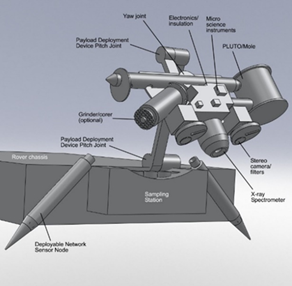
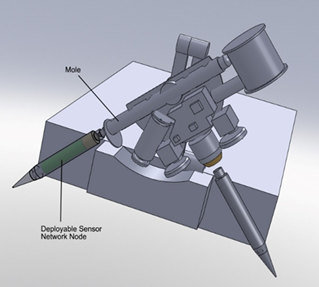
DYPIU faculty is involved in developing technologies
that support advancements in space exploration. The
university is actively engaged in three major
aspects of Space Technology:
1. In situ exploration
2. Rover development
3. Nanosatellites
Exploring the intersection of manufacturing and
sustainability, our faculty is actively engaged in
interdisciplinary research collaborations aimed at
driving innovation in sustainable manufacturing
processes. Their work involves applying operations
research techniques, modelling, and simulations to
machining processes.
A Sustainability Assessment Model is being
developed, focusing on the potential applications of
simulation and optimization techniques, along with
mathematical modelling in the domains of production
and industrial engineering.

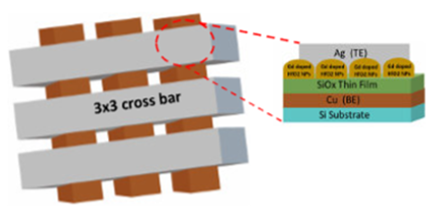
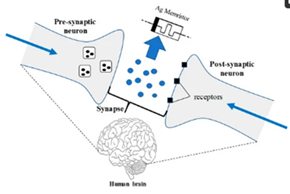
Neuromorphic engineering and memristor-based
circuits are among the prime areas of semiconductor
research. This work holds significant potential for
the development of next-generation computing systems
inspired by the architecture of the human brain. By
utilizing the unique properties of memristors—such
as non-volatile memory and their ability to mimic
synaptic functions—researchers aim to create novel
computing architectures that are energy-efficient,
fault-tolerant, and capable of learning and
adaptation.

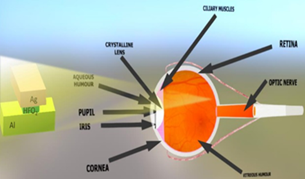

There is a dedicated cohort engaged in Tissue
Engineering with a focus on developing organoids and
assembloids for physiological and drug-screening
models, supported by in silico identification of key
molecules. Work is in progress to create organoids
and assemble them into integrated systems for
physiological modelling, disease modelling of
genetic conditions, drug discovery, and therapeutic
research. Organoids are known to closely replicate
the cellular diversity, anatomical structure, and
functional characteristics of real organs.
Recent advancements in microfluidics have opened new
possibilities for designing in vitro models that
mimic in vivo environments. Once standardized
organoids are developed, they will be interconnected
through microfluidic channels in an organs-on-chip
system. The goal is to create multiple compartments,
each representing a specific tissue type, capable of
being exposed to varied conditions—while remaining
physiologically connected through channel-based
networks, simulating the real human body.

Our research explores how specific gene
polymorphisms shape an individual’s susceptibility
to cancer and influence their response to
platinum-based chemotherapy. We focus on
polymorphisms in critical genes associated with DNA
repair and tumor suppression pathways—such as
BRCA1, BRCA2, ATM, and
TP53—to understand their role in cancer
onset, progression, and therapeutic outcomes. These
genetic variations can profoundly impact the
cellular response to chemotherapy, thereby affecting
treatment efficacy and patient prognosis.
Alongside clinical data, we employ advanced
computational tools including molecular docking and
Molecular Dynamics (MD) simulations to uncover the
underlying molecular mechanisms driving these
variations. This challenging yet highly rewarding
research aims to contribute toward personalized
cancer treatment strategies tailored to each
patient’s unique genetic profile.
Additionally, our team is working on AI- and
ML-based prediction models for assessing
cardiovascular disease risk, integrating machine
learning with clinical parameters to enhance early
detection and treatment planning.

Food Technology is a rapidly growing field that
encompasses food production, processing,
preservation, and safety. Our faculty is actively
engaged in Food Safety and Quality enhancement,
developing innovative processing techniques with
added nutritional and health benefits, and advancing
food packaging systems. The work also involves
applying engineering principles to design and
optimize food processing equipment and systems,
ensuring efficiency, safety, and sustainability in
modern food manufacturing.

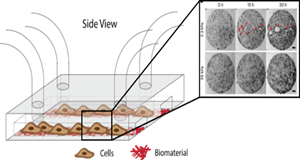
Developing biomaterials for therapeutics and
diagnostics is a key focus area within
interdisciplinary sciences, bringing together plant
biotechnologists and biomaterial researchers to
create innovative solutions. One such initiative
involves the development of collagen–chitosan films
infused with bioactive plant extracts for diabetic
wound healing. Diabetic wounds pose a major clinical
challenge, often resulting in prolonged recovery,
higher amputation risk, and reduced quality of life.
This research investigates the therapeutic potential
of combining bioactive plant extracts with
chitosan–collagen films, capitalizing on their
synergistic antimicrobial, anti-inflammatory, and
tissue-regenerative properties. The overarching goal
is to create a more effective, personalized, and
long-lasting treatment solution for chronic wounds,
ultimately improving healing outcomes and enhancing
patient well-being.

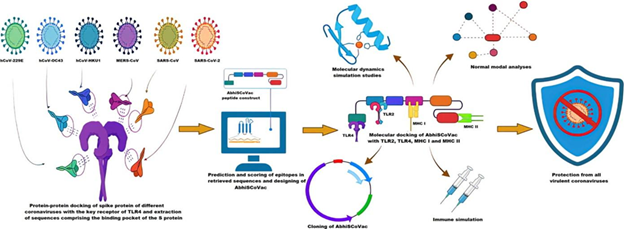
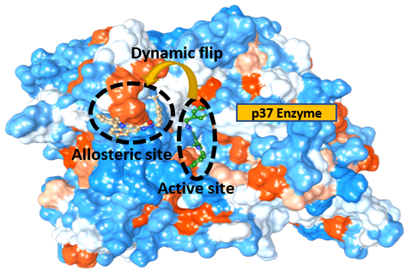
The research group in Bioinformatics focuses on
protein–protein interactions, mutation analysis,
drug designing, drug repurposing, peptide
therapeutics, and vaccine design for various
diseases including HIV, Cancer, Malaria, and
SARS-CoV-2. The overarching aim is to develop and
employ advanced computational methods and artificial
intelligence to address key problems in Biochemistry
and Biomedical Sciences.
Nanoparticles, due to their high
surface-area-to-volume ratio, significantly enhance
catalytic activity, improving the efficiency of
chemical reactions and increasing product
selectivity. These advancements also contribute to
novel separation technologies, where
nanomaterial-based membranes and adsorbents
demonstrate superior performance in purifying
chemical products and removing impurities.
Additionally, the precise control achievable over
nanomaterials in terms of size, shape, and
composition enables tailored optimization of reactor
designs, resulting in more efficient and compact
systems. Nanomaterial-based membranes and adsorbents
further enhance separation processes by offering
high selectivity and efficiency, particularly
beneficial in chemical purification workflows.
Through interdisciplinary efforts, nanomaterials
provide promising pathways for optimizing chemical
processes while addressing challenges such as
scalability, cost-effectiveness, and environmental
sustainability—especially in applications like
wastewater treatment.
Another research group focuses on the energy-storage
capabilities of various nanomaterials, investigating
their suitability for supercapacitor applications.
These materials may play a critical role in green
energy solutions due to their fast-charging ability
and long lifecycle, though improving energy density
remains a key challenge.
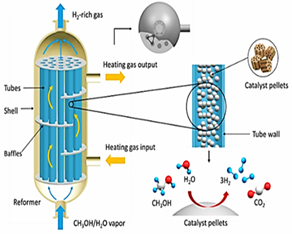
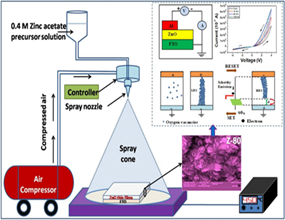
This field focuses on developing and applying mathematical models, numerical algorithms, and computational techniques to solve real-world problems across science, engineering, and industry. It integrates theoretical analysis with numerical simulations and data-driven methods to study and resolve complex systems. It includes:
The research focuses on the development of
variational classical–quantum algorithms aimed at
solving optimization problems. Current work involves
exploring the properties and applications of
Tridiagonal Toeplitz matrices within the realm of
quantum computation. Additionally, efforts are
underway in Quantum Imaginary Time Evolution (QITE)
to address complex algorithmic challenges.
Our aim is to enhance precision and computational
speed by developing advanced quantum algorithms in a
hybrid classical–quantum environment. The broader
scope includes quantum machine learning, quantum
circuit design, reduction of algorithmic runtime,
along with rigorous testing, validation, and
deployment of quantum solutions.
Team -
Dr. Anju Chaurasia
Dr. Vanita Daddi
Dr. Vandana Patil
Prof. (Dr.) Rahul Sharma
Research in this domain investigates Quantum Walks
(QWs) as a powerful framework for quantum
computation, focusing on efficient quantum circuit
design, algorithmic development, and real-world
implementation. Current studies also explore the
relationship between quantum information scrambling
and entanglement, offering deeper insights into the
dynamics and propagation of quantum information.
Another important research direction involves
examining quantum correlations in mixed states under
different Hamiltonians, analyzing how these
correlations evolve across various quantum systems.
This contributes to understanding quantum state
complexity, coherence behavior, and the foundational
aspects of quantum information theory.


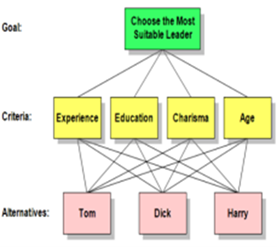
Research in Metaheuristics and Evolutionary
Computations focuses on nature-inspired optimization
techniques, Multiple Criteria Decision Making
(MCDM), reliability analysis, and artificial
intelligence & data science. These approaches allow
the development of advanced mathematical models for
optimizing complex systems and processes across
diverse domains.
With a strong emphasis on MCDM, the work involves
creating innovative decision-making frameworks that
account for multiple conflicting criteria, enabling
more informed and robust choices in complex
environments. In addition, reliability analysis
forms a critical component of Dr. Kumar’s research,
where he develops statistical and computational
methods to evaluate and improve system reliability
under varying operational conditions. His
contributions aim to enhance performance, mitigate
risks, and provide optimized solutions for
real-world engineering and industrial challenges.

Research in Management explores various dimensions
of consumer behaviour, digital marketing, talent
management, and organizational performance
optimization. The work includes examining
contemporary management issues such as employee
engagement, knowledge management, and talent
acquisition practices in the IT industry.
Additionally, studies on the role of spiritual
intelligence in organizational well-being provide
meaningful insights into enhancing workplace culture
and employee productivity. These investigations
contribute to a deeper understanding of modern
organizational challenges and offer valuable
perspectives for both practitioners and scholars.
Team -
Dr. Madhavi Deshpande
Dr. Ajit Dalvi
Dr. Priyanka Dhoke
Research in Economics and Finance plays a pivotal
role in understanding market dynamics, financial
systems, and economic policies that influence both
global and national economies. It covers qualitative
and quantitative analyses across areas such as
economic growth, monetary policy, financial markets,
risk management, and behavioural finance. With the
rise of big data and advanced analytical
technologies, researchers now employ econometric
models, machine learning, and real-time financial
data to derive insights into investment strategies,
banking regulations, and emerging economic trends.
Additionally, areas such as FinTech, digital
currencies, and sustainable finance reflect the
rapidly evolving financial landscape. Such research
informs policymakers, businesses, and investors
while contributing to economic stability, financial
innovation, and inclusive growth.
Team -
Dr. Siddharth Gavhale
Research in Humanities encompasses diverse areas
such as psychology, media studies, and societal
dynamics. Ongoing work explores mental health
challenges faced by sexual and gender minorities,
with a special focus on the impact of societal
rejection and hate crimes on young transgender
individuals in India. Studies also investigate
various aspects of human behaviour—including
adolescent attachment patterns, emotional
intelligence, and the psychological consequences of
substance abuse. Significant contributions include
research on emotional regulation among individuals
with alcohol dependence, psychological well-being
within LGBTQ+ communities, and how technology
affects students’ self-esteem.
In addition, faculty members are actively studying
themes at the intersection of globalization and
Hindi media, including the language of journalism,
parallel cinema movements, the rise of regional
cinema in India, and the influence of generative AI
on newsrooms, media convergence, OTT platforms, and
contemporary filmmaking trends.


Environment and sustainable practices constitute a
broad and essential area of research, focusing on
advancements in green technology, energy
conservation, and environmental management through
sustainable approaches. The field encourages
interdisciplinary collaboration across domains such
as renewable energy, water resource management,
sustainable agriculture, waste reduction, and
ecological conservation. These efforts aim to
address global environmental challenges while
supporting long-term ecological balance and
responsible resource utilization.
Team -
Dr. Kranti Shingate Dr.
Meena Pandey Dr.
Sangeeta Benni
Dr. Shailesh Ghodke Dr.
Utkarsh Maheshwari Dr.
Sunita Patil
Dr. Vikas Dive Dr.
Babuskin Srinivasan Dr.
Sonal Mahajan
Dr. Keval Nikam
Research in Smart Grids and Electric Vehicles (EVs)
at DYPIU spans renewable energy systems, intelligent
control mechanisms, and advanced optimization
algorithms aimed at improving efficiency,
sustainability, and grid resilience. The work
includes innovative demand response strategies such
as co-simulation-based renewable-integrated home
energy management systems (HEMS) and the Water
Filling Energy Distributive Algorithm for HEMS with
plug-in EV coordination, enhancing energy
distribution and grid–consumer interactions.
Contributions to smart grid development include
frameworks for price elasticity–based peak time
rebate demand response programs, IoT-enabled smart
meters for real-time energy monitoring, Zigbee-based
substation monitoring, and energy-efficient smart
street lighting systems. Additional work includes
developing eye-controlled rovers for environmental
mapping and studying renewable energy integration in
India’s mining sector to promote sustainable
industrial practices. Collectively, these
multidisciplinary efforts support the creation of a
robust, intelligent, and future-ready energy
ecosystem.

Bayesian estimation is a robust statistical approach
for analyzing lifetime data, widely applied in
engineering, healthcare, actuarial science, and risk
management. By incorporating prior knowledge with
probabilistic models, it provides improved
predictions for system reliability, survival
outcomes, and failure-time behavior, especially when
traditional methods struggle with limited or
censored data. Our research emphasizes Markov Chain
Monte Carlo (MCMC) techniques, hierarchical Bayesian
models, and shrinkage priors to enhance parameter
estimation under uncertainty. These methods support
predictive maintenance, medical prognosis, and
environmental risk assessment, enabling
better-informed decisions across domains. Ongoing
work also focuses on computational advancements to
make Bayesian estimation faster and more efficient,
strengthening applications across biostatistics,
artificial intelligence, and financial risk
modeling.

High-Performance Computing (HPC) focuses on
utilizing powerful computing systems to solve highly
complex, data-intensive problems across scientific,
industrial, and technological domains. Modern HPC
research explores cutting-edge areas such as
exascale computing—systems capable of performing a
quintillion operations per second—along with
advancements in parallel processing, interconnection
networks, and scalable architectures. The
integration of artificial intelligence and machine
learning into HPC workflows has opened new avenues
for accelerating simulations, enhancing predictive
analytics, and optimizing large-scale computations.
With increasing availability of cloud-based HPC
resources, access to high-performance infrastructure
is expanding, enabling broader research and
innovation.
Core Concepts:
• Supercomputers and Clusters •
Parallel Processing •
Interconnection Networks •
Complex Calculations and Data Analysis
Key Applications:
• Scientific Research • Multicore
and Manycore Architectures • Data
Analysis • Artificial
Intelligence (AI) • Weather
Forecasting
Team
Prof. (Dr.) Rahul Sharma
Dr. Maheshwari Biradar
Prof. (Dr.) Anuj Kumar

Software Quality and Testing is a rapidly evolving
research domain driven by the increasing complexity
of modern software systems and the growing demand
for reliability, security, and automation. Current
research focuses on enhancing testing efficiency
through automation, optimizing test strategies, and
strengthening software security evaluation. The
incorporation of artificial intelligence and machine
learning has significantly transformed traditional
testing paradigms by enabling intelligent defect
prediction, autonomous test generation, and adaptive
testing frameworks. Performance, usability,
accessibility, and reliability testing remain
essential components in ensuring high-quality
software across diverse platforms. With the rise of
Agile and DevOps methodologies, continuous testing,
cloud-native testing, and the validation of
AI-enabled and cyber-physical systems have emerged
as critical areas of innovation.
Core Research Areas:
• Test Automation and Optimization
• Software Security Testing
• Performance and Reliability
Testing
• Software Quality Measurement and Metrics
• Testing in Agile and DevOps
Environments
• AI and Machine Learning for Software Testing
• Usability and Accessibility
Testing
Emerging Research Trends:
• Testing of AI-Enabled Systems •
Cloud-Native Testing •
Cyber-Physical Systems Testing

The Corrosion and Tribocorrosion research area
focuses on understanding how materials degrade when
exposed to combined chemical, mechanical, and
environmental stresses. Corrosion refers to the
chemical deterioration of materials, while tribology
involves friction, wear, and lubrication.
Tribocorrosion integrates both phenomena, examining
how mechanical wear accelerates corrosion—or vice
versa—leading to faster material degradation. This
field is vital in aerospace, automotive, marine,
energy, and biomedical engineering, where components
must withstand extreme and highly reactive
conditions. Key research areas include
electrochemical corrosion behavior, pitting
corrosion in metals such as stainless steel, and
stress corrosion cracking (SCC) caused by
simultaneous tensile stress and corrosive exposure.
Tribology studies investigate wear mechanisms
(abrasive, adhesive, and surface fatigue),
frictional behavior, and lubrication strategies to
minimize damage. Tribocorrosion research further
explores interactive degradation mechanisms in harsh
environments such as seawater, industrial fluids, or
biological systems, along with the development of
protective coatings, surface treatments,
high-performance alloys, and composites capable of
resisting both corrosion and wear. Applications span
turbine blades, automotive components, marine
structures, biomedical implants, and energy systems,
where enhancing material durability, performance,
and service life is critical. Research in this field
contributes to the advancement of next-generation
materials designed for reliability and long-term
sustainability in demanding operational
environments.


Research in tunable terahertz (THz) devices is
central to advancing next-generation technologies in
wireless communication, sensing, electromagnetic
shielding, and sustainable energy harvesting. The
work focuses on designing and optimizing THz
antennas and absorbers by exploiting the interaction
between metallic resonators and graphene-based
surface plasmon polaritons (SPPs), enabling superior
tunability and reconfigurability. Key research
directions include THz antennas with dynamic
band-notch characteristics, multiband and tunable
THz absorbers for selective frequency operations,
electromagnetic shielding materials for secure
systems, and solar-thermal absorbers aimed at
efficient energy harvesting applications.
Complementing this, research on battery health
prediction using machine learning addresses the
growing demand for intelligent diagnostics in
electric vehicles (EVs) and renewable-integrated
energy systems. Machine learning techniques provide
high-accuracy estimation of battery State of Charge
(SOC), State of Health (SOH), degradation patterns,
and Remaining Useful Life (RUL), overcoming the
limitations of conventional physics-based models.
These approaches enhance battery safety, performance
forecasting, and energy system reliability.
Research Areas:
• THz Antennas with Reconfigurable Band-Notch
Characteristics
• Multiband and Tunable THz Absorbers
• Electromagnetic Shielding
• Solar-Thermal Absorbers for Energy Harvesting
• Battery Health Prediction Using Machine Learning
(SOC, SOH, RUL, Degradation Modeling)

Currently, the Centre is focusing on the following research projects:
1. MoS2-Based Electrochemical Transistors
2. CNT-CNF-Based Electro-Tunable Membrane
1. Why are productivity zones in the Indian Ocean changing under a warming climate?
2. What are the potential causes of the excess rainfall observed in Pune during 2025?
1. Supramolecular weaker bonds
1. Observational data studies to analyze different phases of universe evolution.
2. Theoretical dynamical system analysis in modified theories of gravity.
1. Mental health and human capital composition in a dynastic OLG model.
1. Study on Non-Trivial Shafarevich–Tate Group of Heronian Elliptic Curves.
1. Study on Duchenne Muscular Dystrophy.
2. Formation of liver buds using iPSC for toxicity studies.
1. Synthesis of nucleic acids.
2. Development of small molecules for diabetic complications.
Multidimensional Human Capital Investments, Fertility, and Pension Interactions: A Dynamic Dynastic OLG Model for Emerging Economies Kumari, S. & Gavhale, S. | Pg. 147 Contemporary Issues in Emerging Markets Conference (CIEMC 2.0) Proceedings, IIM Bodh Gaya ISBN: 978-93-5812-651-8
No news or events found.